

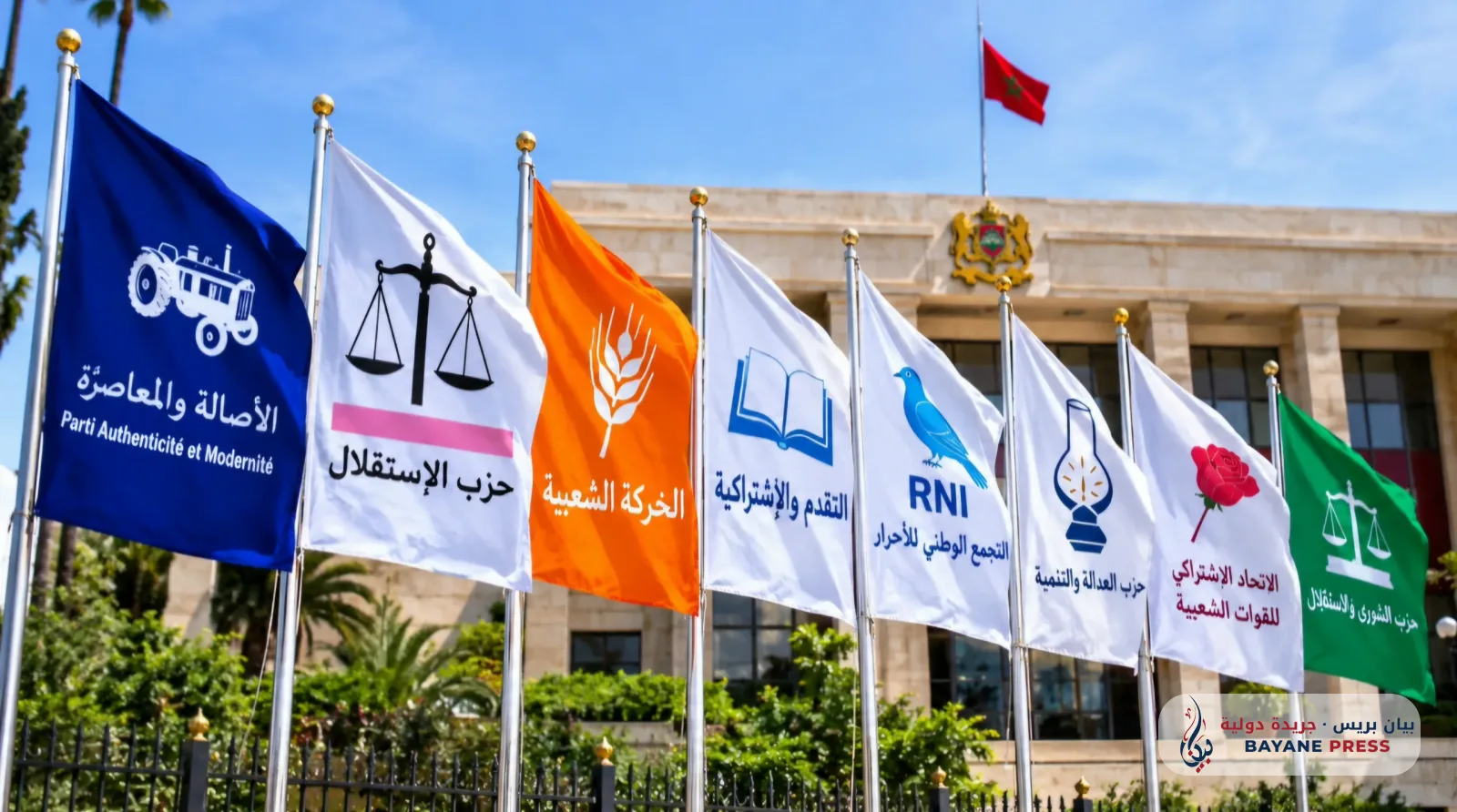
Political consultations regarding the preparation of the legal framework for the upcoming 2027 Moroccan elections have reached a decisive stage, as of Sunday, November 15, 2026, the deadline set by the Ministry of the Interior for political parties to submit their memoranda and proposals concerning the revision of laws governing the next electoral cycle.
This phase follows a series of meetings held by Minister of the Interior Abdelouafi Laftit on October 28 and 29, with leaders of political parties represented in Parliament and those without parliamentary groups, aimed at discussing potential amendments to the legal system governing elections for territorial communes, professional chambers, employee representatives, and the House of Councilors.
According to announced data, the consultations focus on developing electoral rules, enhancing the integrity and transparency of electoral processes, addressing shortcomings identified in previous practices, as well as improving conditions for women's representation and modernizing the legal mechanisms governing the formation of elected councils.
In this context, party data published by the Moroccan press revealed the intention of the Progress and Socialism Party (PPS) to demand that one-third of seats be reserved for women in communes with a population of less than fifty thousand inhabitants, while adopting a list-based voting system for seats reserved for women, and maintaining individual voting for the remaining seats.
The proposals being studied by the party also include reviewing electoral redistricting based on the results of the 2024 General Census of Population and Housing, improving mechanisms for registration on electoral rolls, and addressing issues related to updating voter data and removals from the rolls.
During previous consultative meetings, the Ministry of the Interior emphasized the importance of early preparation for the upcoming elections, while leveraging legislative measures related to promoting electoral ethics and strengthening trust in elected institutions.
Party memoranda are expected to form the basis for drafting new legislative amendments before being referred to the competent institutions in accordance with established constitutional and legal procedures, allowing for discussion and the adoption of agreed-upon or legislatively approved changes.
This phase holds significant political importance given that the 2027 elections are linked to the renewal of territorial and professional councils and the House of Councilors, and the subsequent impact on the management of local and regional affairs and the distribution of responsibilities within elected institutions.
Despite the arrival of the deadline set for the consultations, no final official confirmation has been issued by verifiable sources regarding the number of memoranda received by the Ministry of the Interior or the identity of all parties that submitted them, making the announcement of the final outcome dependent on data to be released by the Ministry or the concerned party entities.


Comments (0)
No comments yet. Be the first to react!