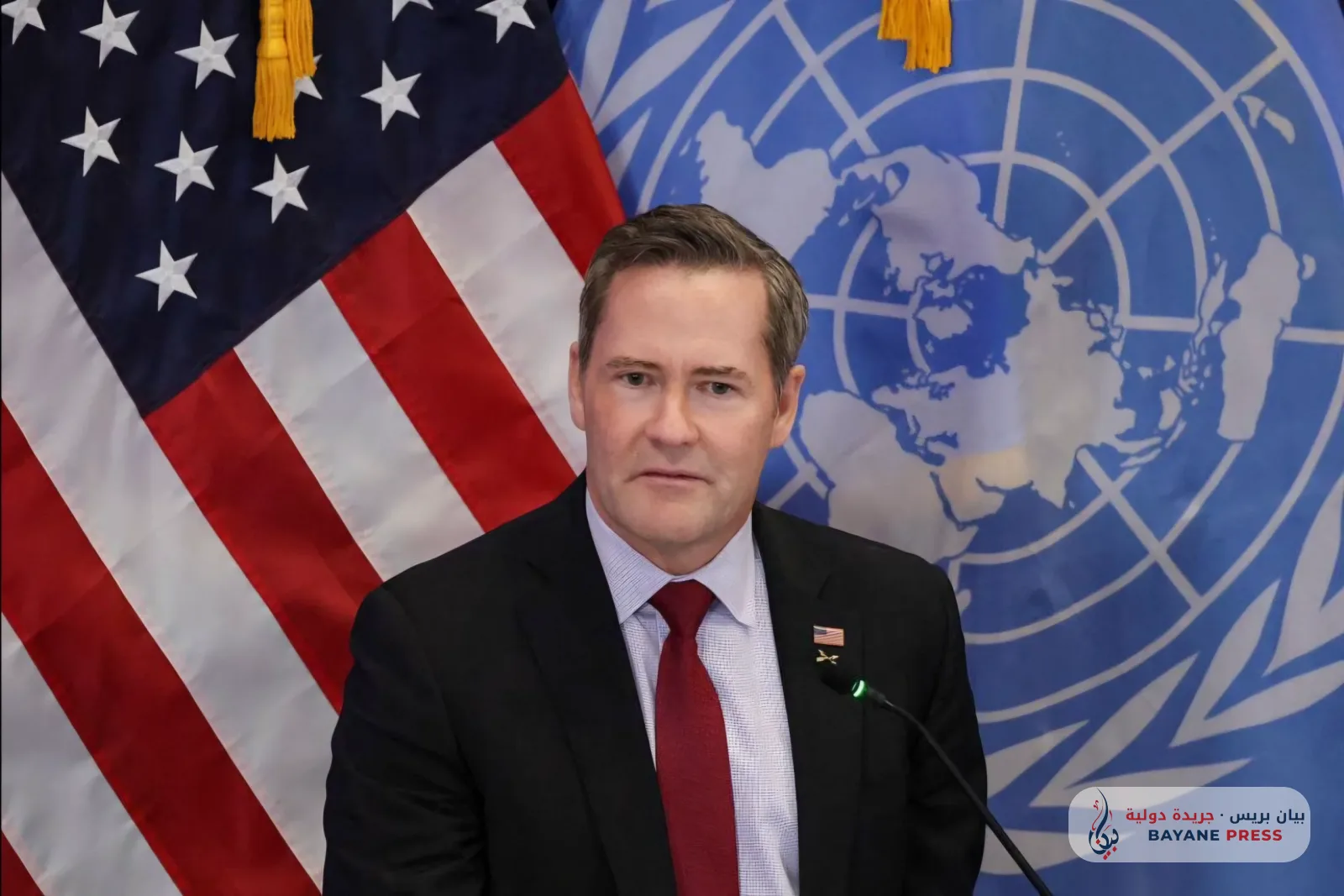
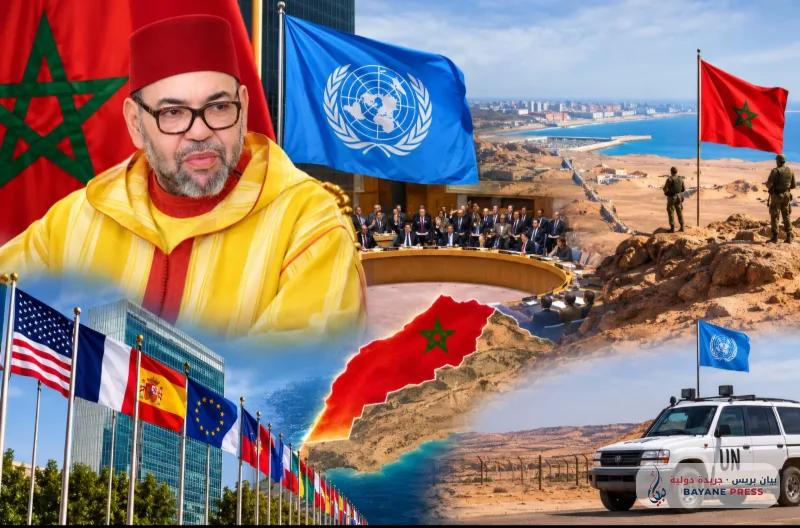
Morocco is preparing to welcome the United States Permanent Representative to the United Nations, Mike Waltz, on a diplomatic visit as part of a regional tour including Lebanon and the Kingdom of Morocco, from November 15 to 17, 2026, at a time of particular significance for Moroccan-American relations and the future of the political process regarding the Sahara issue.
The U.S. Mission to the United Nations announced on Sunday, November 15, that the American official will hold talks with senior Moroccan officials to discuss continued cooperation within the framework of the Abraham Accords, the strengthening of joint efforts to support regional security and stability, and the reaffirmation of the American position supporting a lasting settlement to the Sahara conflict based on the Moroccan Autonomy Initiative.
This visit carries diplomatic weight given the developments at the UN Security Council on October 30, when Russia vetoed a U.S.-sponsored draft resolution on the Sahara, despite it receiving support from eleven members, while China, Pakistan, and Somalia abstained. The draft included extending the mandate of the United Nations Mission for the Referendum in Western Sahara (MINURSO) until October 31, 2027, while amending its designation and reviewing the nature of its tasks.
In the same session, an alternative Russian draft resolution, which proposed extending the mission in its existing form, failed to secure enough votes for adoption, leading to the expiration of its mandate on October 31, 2026, and the commencement of administrative liquidation procedures as of early November—an unprecedented development since the mission's establishment in 1991.
However, the end of the MINURSO mandate does not mean the closure of the Sahara file within the United Nations or the end of the political process overseen by the international organization; rather, it places the issue before a new institutional reality, increasing the importance of diplomatic contacts and efforts aimed at overcoming divisions among Security Council members.
Mike Waltz's presence in Morocco carries additional political significance, as he is the American representative who defended the draft resolution before the Security Council, which gives his upcoming talks importance in the context of continued U.S. engagement on the conflict. The visit also comes as Washington maintains its support for the Moroccan Autonomy Initiative, which remains one of the key pillars of political relations between the two countries.
At the bilateral level, regional security and diplomatic cooperation feature prominently on the announced agenda, reflecting the breadth of coordination between Rabat and Washington in a region facing complex security and political challenges that require ongoing consultation between international and regional partners.
The upcoming visit marks a new chapter in Moroccan-American relations, yet it simultaneously raises questions regarding the future of diplomatic maneuvers within the United Nations and the possibility of progress toward a political settlement following the stalemate of recent draft resolutions. Between U.S. support for the Moroccan Autonomy Initiative and persistent divisions within the Security Council, the primary challenge remains the ability of the concerned parties and international mediators to translate political positions into tangible negotiated outcomes.
Comments (0)
No comments yet. Be the first to react!