

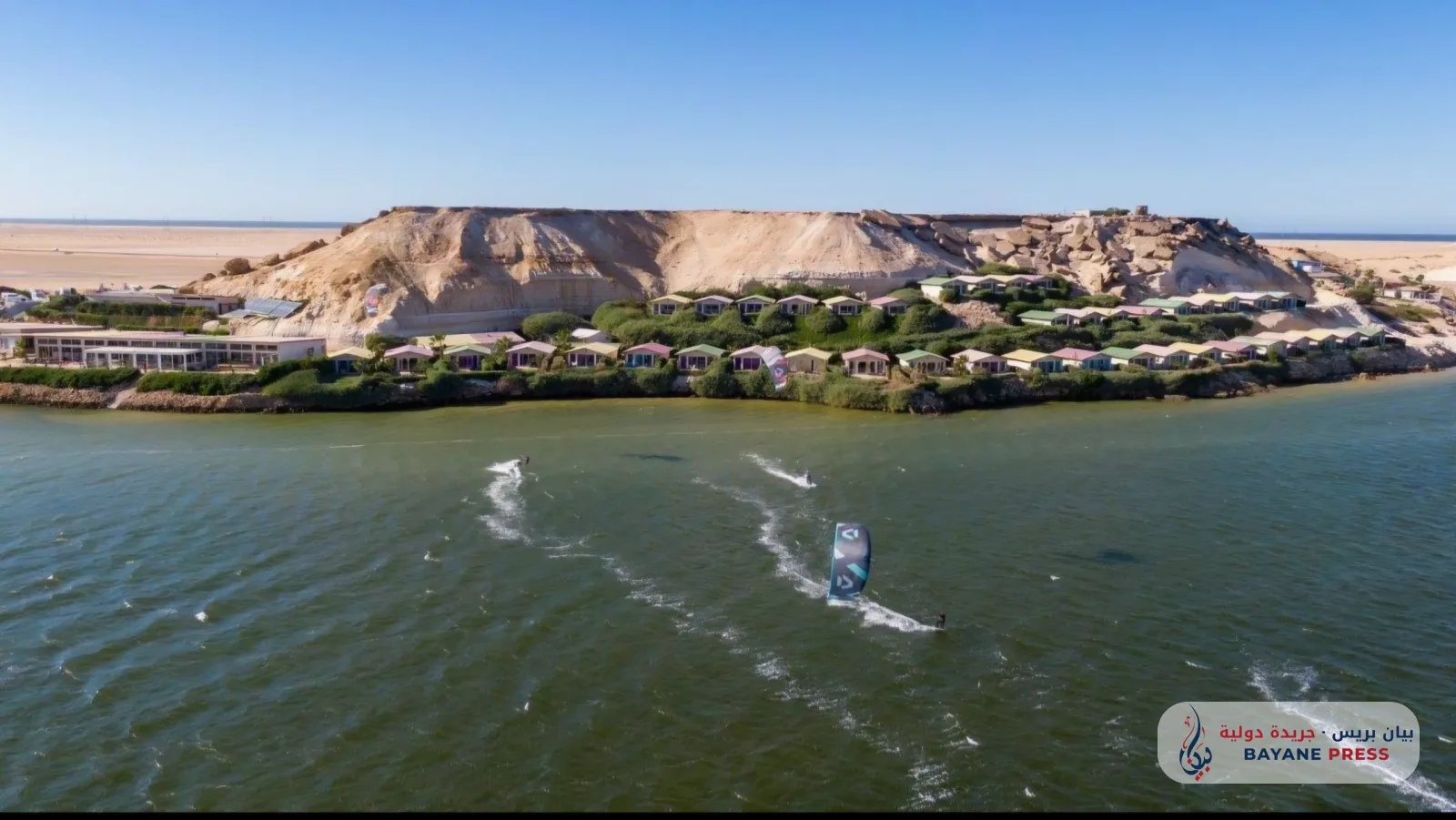
The Polisario Front continues to stir controversy over tourism and development projects in the Moroccan city of Dakhla, having shifted from opposing investments and economic infrastructure to demanding the suspension of international flights—a move that raises questions about its political priorities and its ability to influence the transformations taking place in the region.
The Polisario news agency has once again highlighted a report published by the Spanish newspaper "El Salto" on November 13, 2026, which attempted to link tourism development in Dakhla to the regional dispute over the Moroccan Sahara. The report relied on testimonies from activists and positions opposing the Moroccan presence in the region, while including human rights allegations for which the report provided no independent, conclusive evidence.
Ironically, the same report acknowledged the tourism shift occurring in Dakhla, noting its attraction of increasing numbers of European visitors, particularly water sports enthusiasts, as well as the development of hotels, commercial facilities, and health and educational infrastructure. These data points highlight the scale of the transformations the city is witnessing, even in media coverage that adopts a critical stance toward Moroccan policies.
The Front's actions did not stop at the media level; on Monday, November 16, it filed an administrative complaint with the Spanish Ministry of Transport, demanding the cancellation of licenses granted to the airline "Ryanair" to operate flights between Madrid and Dakhla, based on its interpretation of European law and the status of the region in international agreements.
This step reveals the shift of the political dispute into the air transport sector, as the Polisario seeks to challenge Dakhla's connectivity to European destinations, while Morocco considers the development of tourism infrastructure and the improvement of air links as part of its economic strategy in the southern provinces.
From a critical analytical perspective, this trend raises questions about the confusion in the Front's prioritization; instead of focusing its efforts on political negotiation, its actions are expanding to include tourist flights, sports activities, and economic investments. However, the Front defends these measures as part of its legal battle—a dispute whose legal aspects remain the jurisdiction of the relevant judicial and administrative bodies.
According to available information, no Spanish decision has been issued to cancel the air route in response to the new complaint, making it premature to judge its success or failure.
As tourism and economic projects continue in Dakhla, the Polisario remains faced with a complex political equation: how to deal with a changing development reality without merely pursuing the activities associated with it. This equation reopens the question of the utility of expanding the media and legal confrontation, and the extent of its actual contribution to reaching a political settlement to the conflict.
Comments (0)
No comments yet. Be the first to react!