

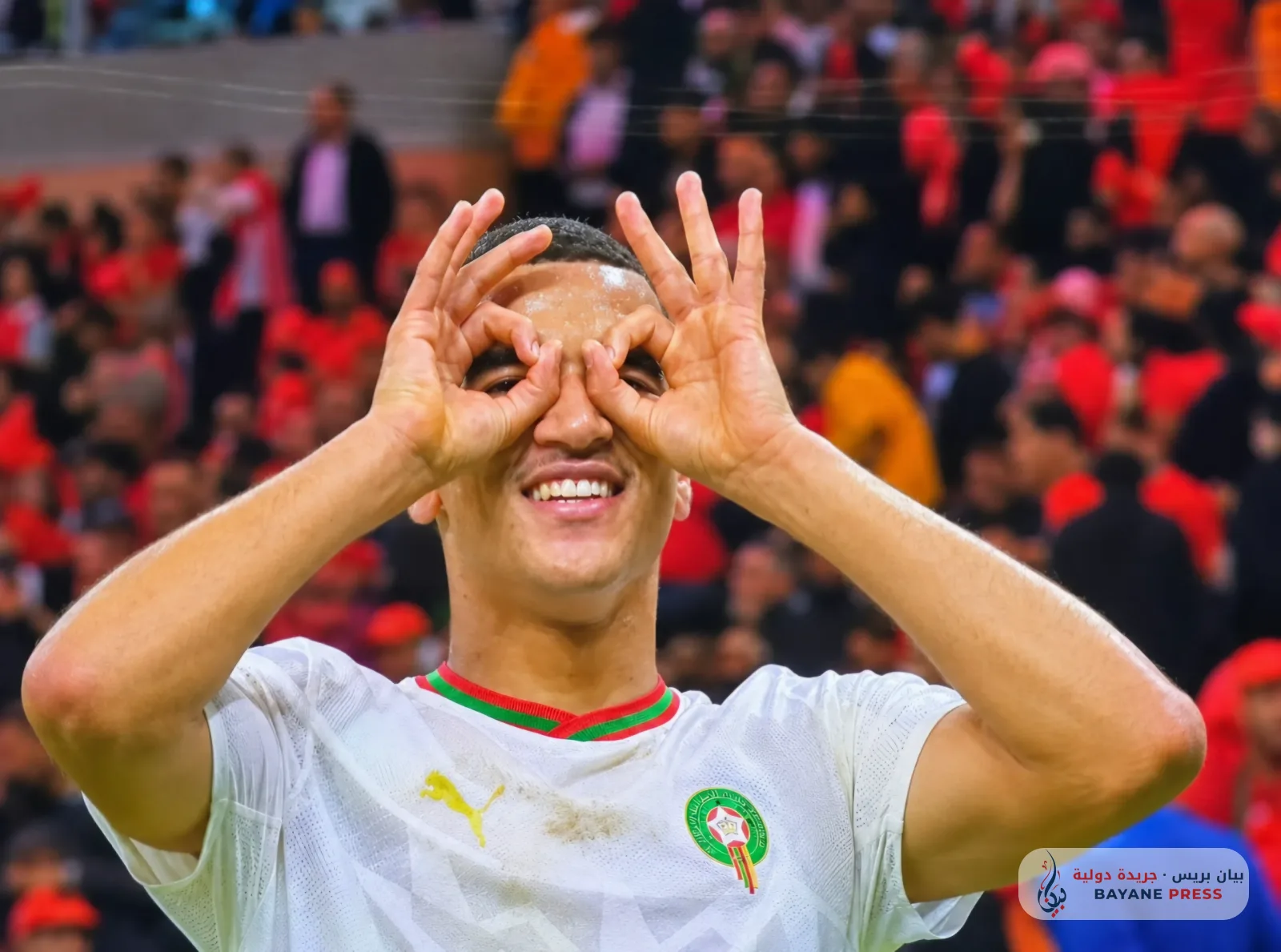
The Moroccan national team secured a hard-fought 1-0 victory against Niger on Tuesday evening, November 17, 2026, at the Prince Moulay Abdellah Stadium in Rabat, as part of the 2027 Africa Cup of Nations qualifiers. However, this victory, despite its importance in terms of the result, was not enough to mask a series of technical and tactical flaws that characterized the Atlas Lions' performance, raising questions about national coach Mohamed Wehbe's reading of the match and his management of its various stages.
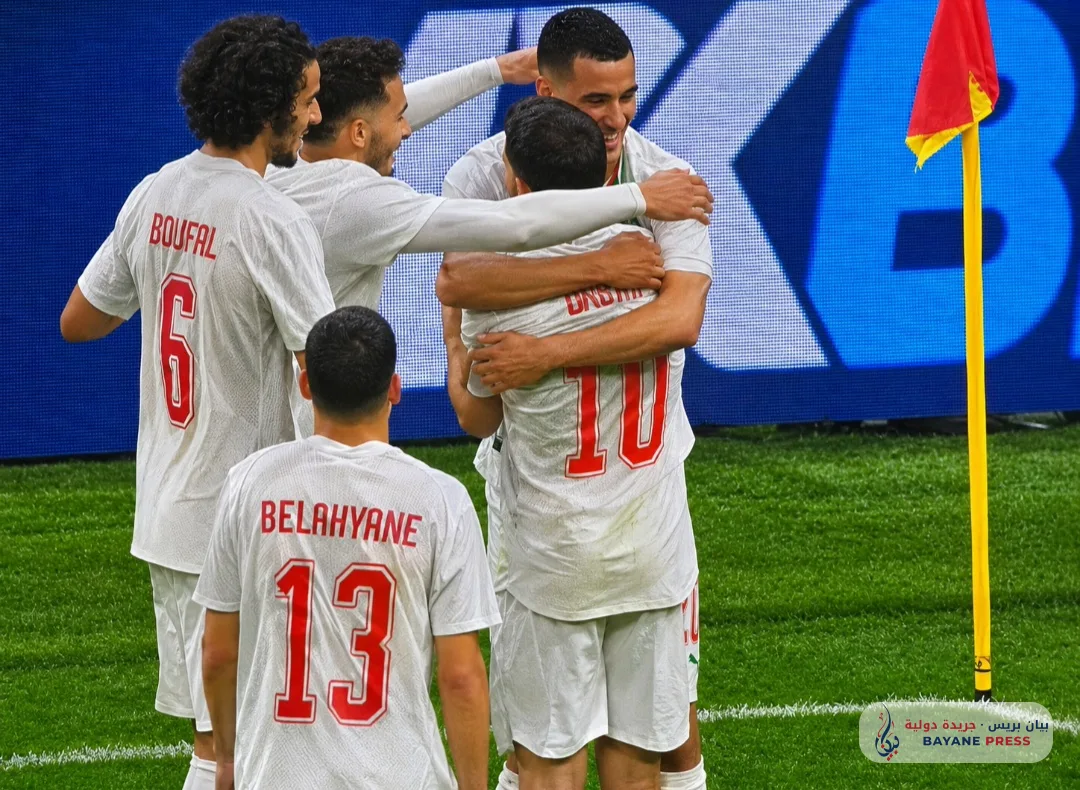
The Moroccan team entered the match with a clear advantage in terms of individual talent and ball possession. Abdellah Wazzane managed to score the winning goal in the twenty-second minute, following an assist from Brahim Diaz. It was expected that this lead would give the team greater confidence to open up their lines and impose a more effective attacking rhythm; however, the performance remained below the expectations of fans who were anticipating a convincing display, especially after the resounding 5-1 victory over the same opponent in their previous encounter.
The statistics reveal an important aspect of the problem: the Moroccan team's possession reached 69 percent, compared to 31 percent for Niger. Their players took 13 shots, including seven on target, and earned 11 corner kicks, yet the tally stopped at a single goal. These figures reflect superiority in control and the creation of some opportunities, but they also highlight a lack of clinical efficiency in front of the goal and an inability to convert field dominance into a comfortable result.

The most notable observation concerns the tactical reading of Mohamed Wehbe, whose choices did not seem sufficiently effective during key periods of the match. The attacking build-up sometimes lacked speed and variety, and the reliance on passing the ball without decisive penetration was evident, while attacking movements failed to consistently create numerical superiority in the opponent's defensive zones. Furthermore, the substitutions made by the coach, despite their frequency, did not bring about the expected shift in rhythm and efficiency, which raises legitimate questions regarding their timing and alignment with the match's requirements.
It cannot be ignored that the Nigerien team, despite limited possession, managed eight shots, three of which were on target—a figure that calls for attention to the Moroccan team's defensive balance, especially when losing the ball. Technical superiority does not exempt a team from the necessity of securing spaces and limiting the opponent's opportunities, no matter how clear the difference in potential may seem.
It is fair to acknowledge that Mohamed Wehbe is working to integrate young players and build a group capable of development—a process that requires time and stability. However, giving opportunities to talents should not become a justification for a lack of cohesion or a decline in collective quality. The Moroccan team possesses the names and capabilities that demand a performance commensurate with its status and the ambitions of its fans.
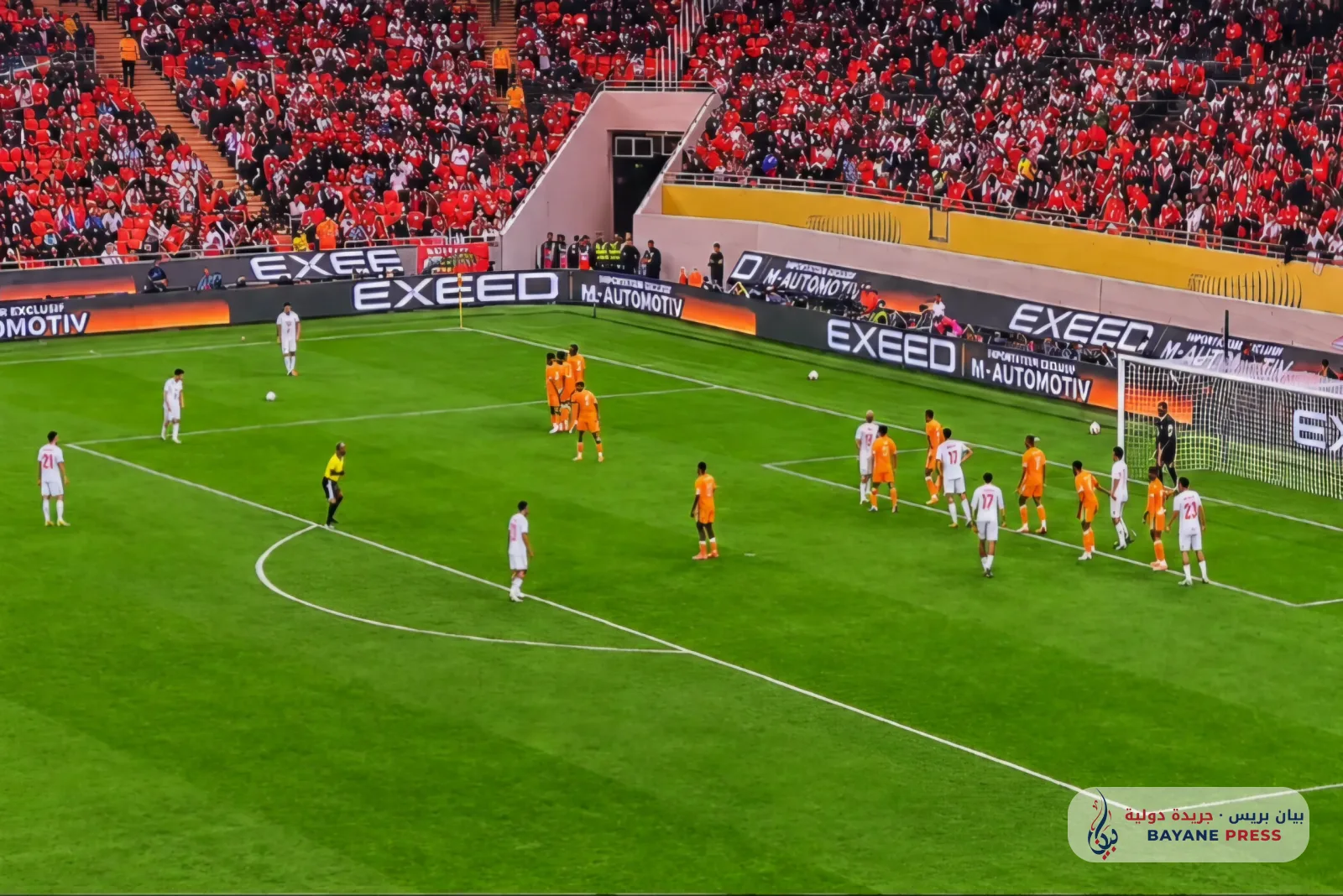
Winning by a single goal is not a flaw in itself; top teams sometimes win by the narrowest of margins. However, what causes concern is the team appearing unable to consistently impose its attacking identity against an opponent it had previously defeated by a wide margin just a few days earlier.


Comments (0)
No comments yet. Be the first to react!